


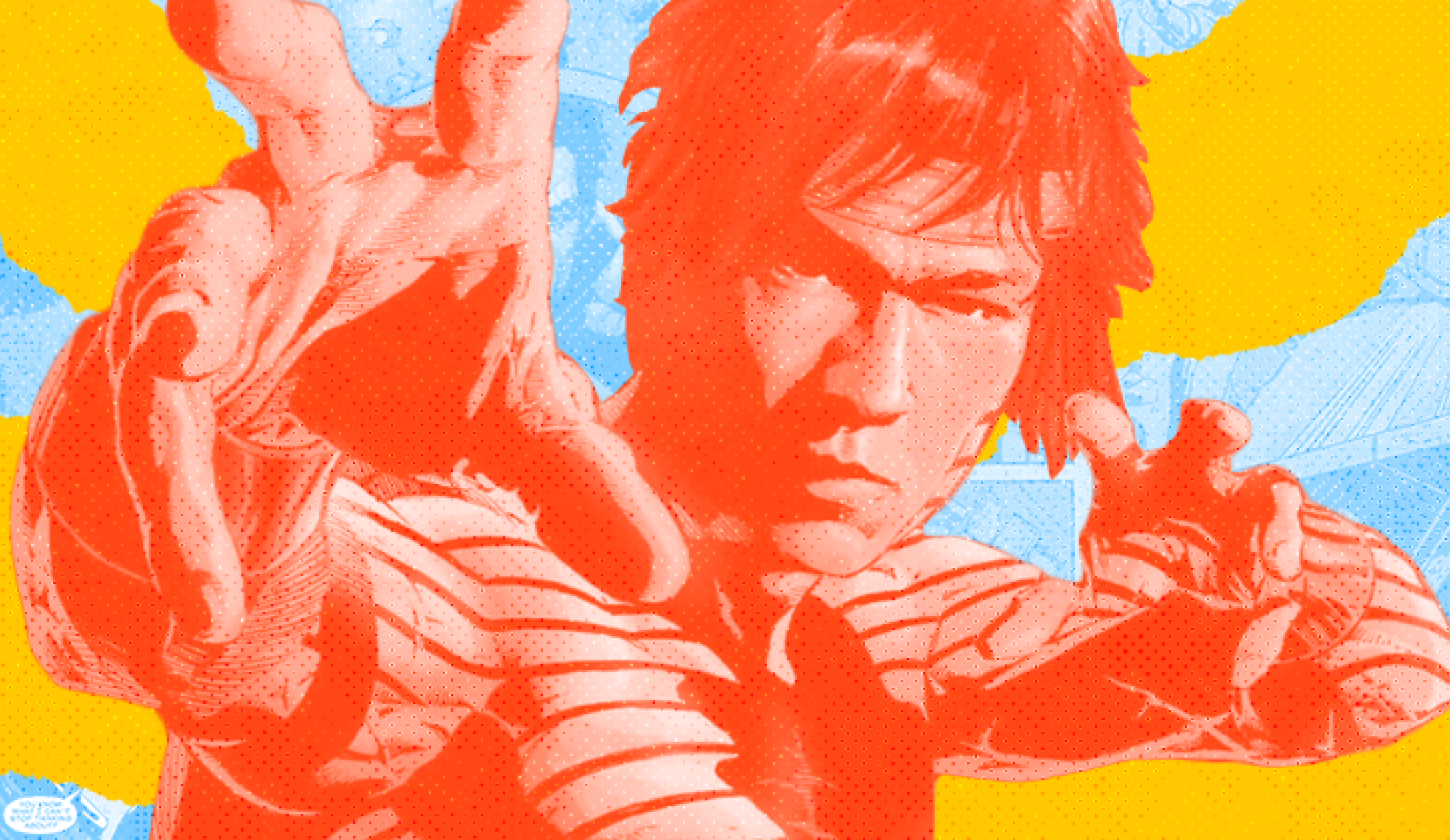
What You Need to Know About Shang-Chi
Shang-Chi is an Asian American story, and our story in America is not perfect.
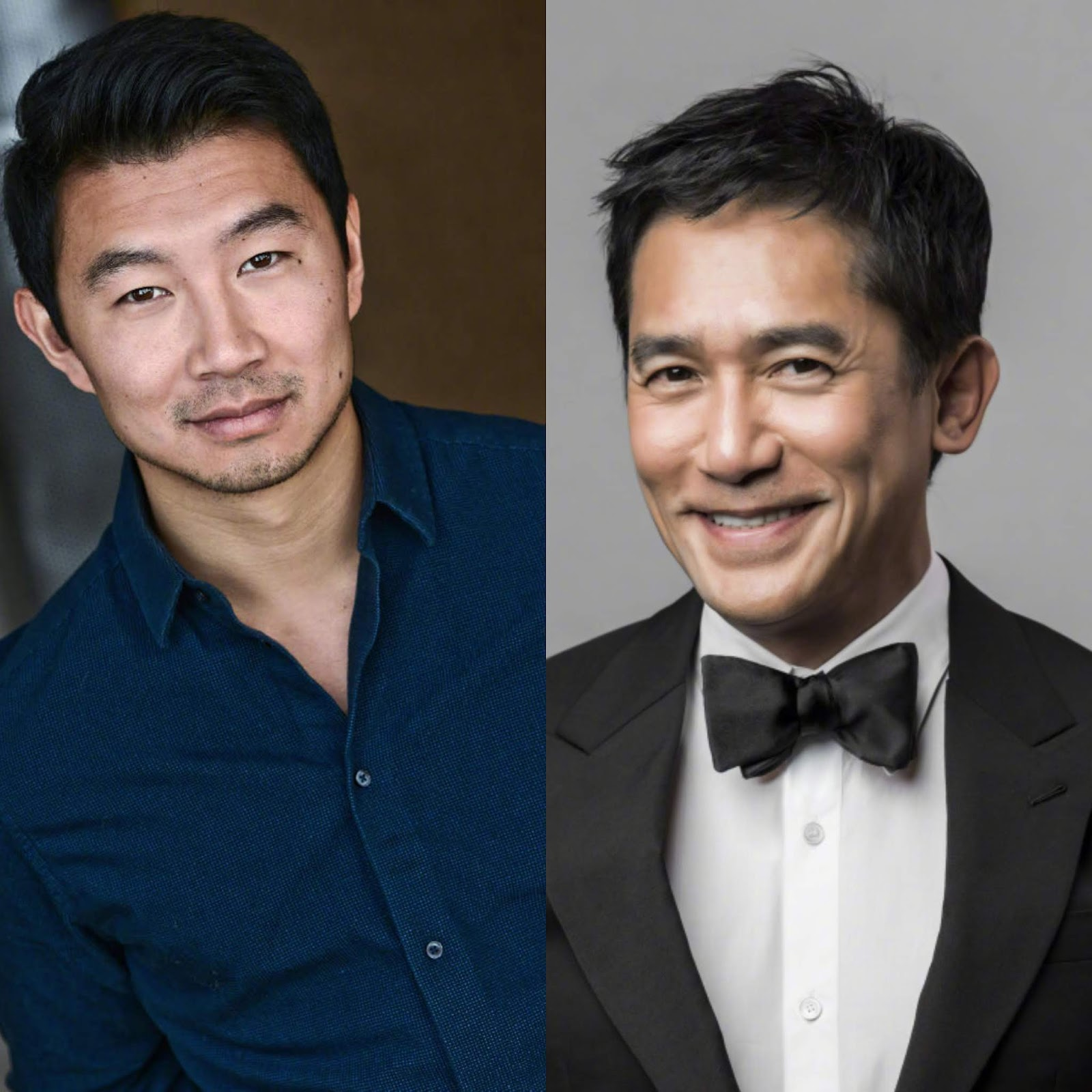
At San Diego Comic-Con this year, Marvel announced the next wave of movies and TV shows for the highly anticipated phase 4 of the Marvel Cinematic Universe. With it, came the announcement of the studio’s first Asian-led film, Shang-Chi and the Legend of the Ten Rings, featuring Simu Liu, Tony Leung, and Awkwafina.
But who exactly is Shang-Chi? And why should any of us care?
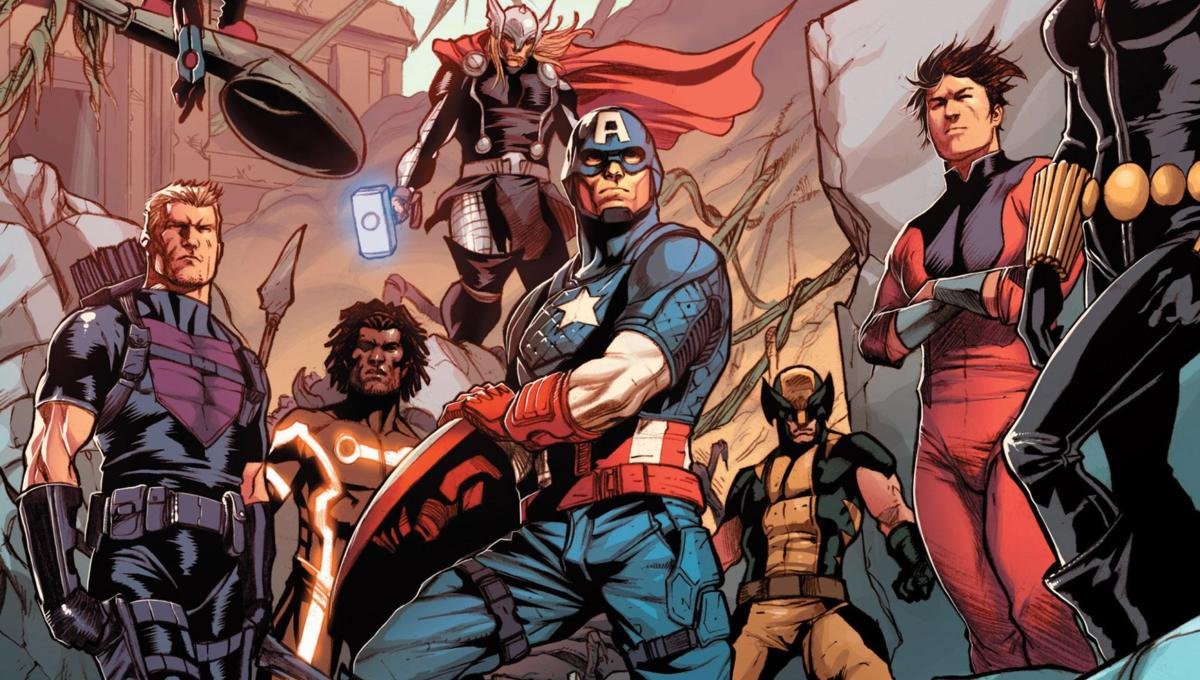 Unlike many of Marvel’s superheroes, Shang technically has no superpowers (although he does eventually develop the ability to create duplicates of himself) but his presence in the MCU is no fluke. After endless years of training, Shang’s fighting prowess is known throughout the universe.
In fact, one of Shang’s most memorable escapades (in the 2011 three-issue miniseries Spider-Island: Deadly Hands of Kung Fu) brings him to New York, where thousands of normal people suddenly find themselves with their own Spider-Man-like powers — including Shang himself. Spider-Man loses his own “spidey-sense,” leading him to seek out Shang to be his kung fu mentor. Even Black Panther has commended Shang’s combat prowess, calling him a better fighter than the superpowered Iron Fist. Shang’s no-nonsense style of brawling, combined with his emotional fortitude and demeanor, has led him to become an underground favorite within dedicated comic book circles.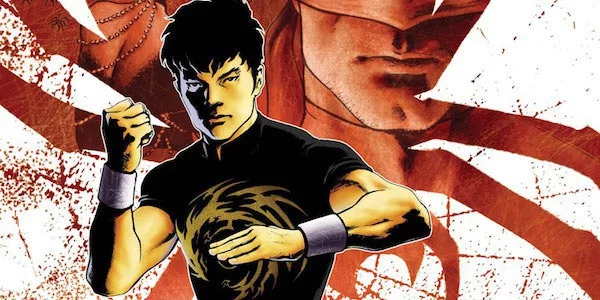
What makes Shang-Chi’s story so interesting is exactly this mish-mash of culture: the brash celebration of Chinese physicality and power, without shying away from the xenophobia encountered during “The Yellow Peril” era of the late 1800s and early 1900s. Fu Manchu, a fictional character created in 1913 to represent the growing hysteria against the immigrating Chinese, of course, doubles as Shang’s criminal mastermind father.
In many ways, Ten Rings is set to bring two stereotypes back into the mainstream limelight: the handsome, kung fu master (Shang) versus the mystical Asian warlord, complete with mousy, droopy moustache and squinty eyes (Fu). It was no surprise then that Chinese audiences loudly voiced their disdain with Marvel’s announcements when Canadian Simu Liu was cast as Shang and Hong Kong actor Tony Leung was cast as “The Mandarin,” who is largely a Fu stand-in.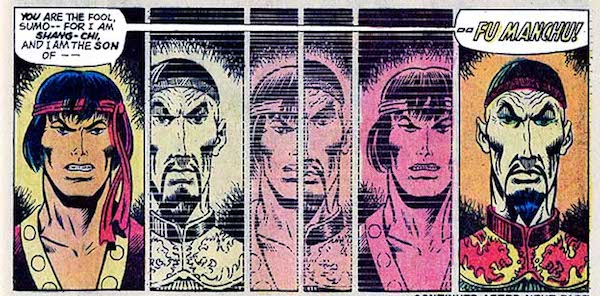 Nationalities and casting decisions aside, if we’re pitting stereotype A against stereotype B on the big screen, then why should we as Asian Americans feel excited about this movie? How many movies can we support purely because of representation?
 Both of these characters — regardless of their polarizing histories — are critical members of the growing Asian American canon. Shang-Chi is an Asian American story, and our story in America is not perfect. Telling the Shang-Chi story is about remembering that we have been (and will continue to be) ostracized in America as the outsider, just as it is about remembering that we’ve brought Bruce Lee and Jackie Chan and Jet Li to Hollywood and beyond.
But Ten Rings is also an important opportunity to move beyond all of this — beyond race, beyond humanity, and beyond stereotypes. We love comic book stories because they take our everyday triumphs and failures and project them into bold and exuberant alternate universes. They allow us to indulge in the most fantastical elements of who we already are — behind all the CGI and action scenes, behind all the campy masks and capes, the best comic book stories tell lucid stories about who we are and push us to exceed the limits of what we think we can do. Ten Rings is an important Asian American milestone in this genre. For a few moments, this is an opportunity for us to surrender ourselves to Marvel’s storytelling prowess, guiding us to aspire to a world beyond our own.
But who exactly is Shang-Chi? And why should any of us care?
The Legend of Shang-Chi
Shang-Chi emerged in December 1973 as the “Master of Kung Fu,” one of the Marvel Universe’s most talented fighters. Originally raised and trained by his father to become an assassin, Shang began his journey in the world of espionage, partnering with MI-6 to undermine and take down his father’s criminal empire. Eventually joining the Avengers to fight alongside Captain America and Iron Man, Shang-Chi is fearless and proficient in both armed and unarmed combat.Unlike many of Marvel’s superheroes, Shang technically has no superpowers (although he does eventually develop the ability to create duplicates of himself) but his presence in the MCU is no fluke. After endless years of training, Shang’s fighting prowess is known throughout the universe.In fact, one of Shang’s most memorable escapades (in the 2011 three-issue miniseries Spider-Island: Deadly Hands of Kung Fu) brings him to New York, where thousands of normal people suddenly find themselves with their own Spider-Man-like powers — including Shang himself. Spider-Man loses his own “spidey-sense,” leading him to seek out Shang to be his kung fu mentor. Even Black Panther has commended Shang’s combat prowess, calling him a better fighter than the superpowered Iron Fist. Shang’s no-nonsense style of brawling, combined with his emotional fortitude and demeanor, has led him to become an underground favorite within dedicated comic book circles.
- Debuted in Special Marvel Edition #15 (December, 1973)
- Born in Hunan, China
- Human (5 foot 10 inches, 175 pounds)
- Recruited by Captain America and Iron Man into the Avengers
Fast facts:
- Master of martial arts
- Superhuman-like strength and focus because of his control of chi and body
- Ability to create duplicates of himself
Powers:
Shang-Chi is an Asian American story
It was no coincidence that Shang-Chi bore clear resemblance to one of the era’s biggest stars, the late movie star and martial artist Bruce Lee. Paul Gulacy, Shang-Chi’s artist, described the origin of the character by saying, “What I tried to do at that time was bring Bruce Lee back in a sense. When Bruce died, I felt that [Master of Kung-Fu] was the only outlet for a Bruce Lee-type guy — that's how I saw Shang-Chi. It was a continuation of all that fun stuff. We had the spy motif, martial arts, actors, and parody. It was a big stew of all kinds of stuff that made that book. We had Fu Manchu in there... I mean, it was crazy, it was just a mish-mash!”What makes Shang-Chi’s story so interesting is exactly this mish-mash of culture: the brash celebration of Chinese physicality and power, without shying away from the xenophobia encountered during “The Yellow Peril” era of the late 1800s and early 1900s. Fu Manchu, a fictional character created in 1913 to represent the growing hysteria against the immigrating Chinese, of course, doubles as Shang’s criminal mastermind father.
In many ways, Ten Rings is set to bring two stereotypes back into the mainstream limelight: the handsome, kung fu master (Shang) versus the mystical Asian warlord, complete with mousy, droopy moustache and squinty eyes (Fu). It was no surprise then that Chinese audiences loudly voiced their disdain with Marvel’s announcements when Canadian Simu Liu was cast as Shang and Hong Kong actor Tony Leung was cast as “The Mandarin,” who is largely a Fu stand-in.
Nationalities and casting decisions aside, if we’re pitting stereotype A against stereotype B on the big screen, then why should we as Asian Americans feel excited about this movie? How many movies can we support purely because of representation?Both of these characters — regardless of their polarizing histories — are critical members of the growing Asian American canon. Shang-Chi is an Asian American story, and our story in America is not perfect. Telling the Shang-Chi story is about remembering that we have been (and will continue to be) ostracized in America as the outsider, just as it is about remembering that we’ve brought Bruce Lee and Jackie Chan and Jet Li to Hollywood and beyond.But Ten Rings is also an important opportunity to move beyond all of this — beyond race, beyond humanity, and beyond stereotypes. We love comic book stories because they take our everyday triumphs and failures and project them into bold and exuberant alternate universes. They allow us to indulge in the most fantastical elements of who we already are — behind all the CGI and action scenes, behind all the campy masks and capes, the best comic book stories tell lucid stories about who we are and push us to exceed the limits of what we think we can do. Ten Rings is an important Asian American milestone in this genre. For a few moments, this is an opportunity for us to surrender ourselves to Marvel’s storytelling prowess, guiding us to aspire to a world beyond our own.